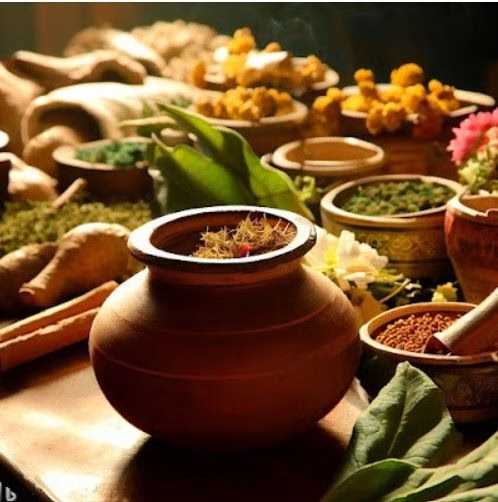
A Journey Through Tradition and Healing
Table of Contents
- Introduction
- The History of Indigenous Plant Medicine
- Cultural Significance
- Common Indigenous Plants and Their Uses
- Sustainability and Ethical Harvesting
- Legal and Regulatory Aspects
- Practical Tips for Getting Involved
- Conclusion
- Contact Information
Introduction
Have you ever wondered how people healed themselves before modern medicine? In the USA, indigenous plant medicine has been a cornerstone of health and wellness for thousands of years. From the forests of the Pacific Northwest to the plains of the Midwest, Native American tribes have harnessed the power of plants to treat ailments, support spiritual practices, and maintain balance with nature. Today, as interest in natural remedies grows, indigenous plant medicine in the USA is gaining renewed attention. This blog post dives into its rich history, cultural importance, and practical applications—plus, how you can explore it responsibly.
Why does this matter? These traditional healing practices not only offer alternative health solutions but also connect us to the wisdom of indigenous communities who’ve lived in harmony with the land for generations. Let’s explore this fascinating world together!
The History of Indigenous Plant Medicine
Indigenous plant medicine in the USA dates back millennia, long before European settlers arrived. Native American tribes, such as the Cherokee, Navajo, and Lakota, developed sophisticated knowledge of local flora, passed down through oral traditions. They used plants like echinacea for immunity, willow bark for pain relief (a precursor to aspirin), and sage for purification.
Archaeological evidence, like ancient herbal remnants found in tribal sites, shows how deeply integrated these practices were. For example, the use of tobacco in ceremonies or yarrow for wound healing reflects a blend of physical and spiritual care. Colonization disrupted much of this knowledge, but many tribes have worked tirelessly to preserve and revive it. Today, this history reminds us of the resilience of indigenous cultures and their contributions to herbal remedies.
Cultural Significance
Beyond physical healing, indigenous plant medicine holds profound cultural meaning. For Native American communities, plants are not just resources—they’re relatives, teachers, and sacred beings. This worldview shapes how plants are harvested, prepared, and used. Ceremonies often involve smudging with sage or sweetgrass to cleanse spaces and spirits, reflecting a holistic approach to well-being.
“Plants are our elders; they’ve been here longer than us and know how to heal,” says a Navajo healer I once spoke with. This respect underscores the importance of reciprocity—taking only what’s needed and giving back to the earth. As we learn from these traditions, it’s crucial to honor their origins and avoid misrepresentation.
Common Indigenous Plants and Their Uses
Let’s look at some plants central to indigenous plant medicine in the USA:
- Echinacea (Purple Coneflower)
Uses: Boosts immunity, fights colds.
Tribes: Used by the Plains Indians like the Cheyenne.
Fun Fact: Modern herbalists still swear by it! - White Willow (Salix alba)
Uses: Pain relief, fever reduction.
Tribes: Cherokees brewed it as a tea.
Science Note: Contains salicin, similar to aspirin. - Sage (Salvia spp.)
Uses: Cleansing, respiratory health.
Tribes: Widely used by many, including the Lakota.
Cultural Tip: Often burned in smudging rituals. - Yarrow (Achillea millefolium)
Uses: Wound healing, anti-inflammatory.
Tribes: Known to the Iroquois as a “blood stopper.”
Practical Use: Apply crushed leaves to cuts.
These plants showcase the diversity of traditional healing. Always consult an expert before use, as preparation matters!
Image Suggestion: A vibrant photo of echinacea in bloom (Alt text: “Purple echinacea flowers in a field, used in indigenous plant medicine USA”).*
Sustainability and Ethical Harvesting
With growing interest in herbal remedies, sustainability is critical. Indigenous teachings emphasize ethical harvesting—never taking more than needed and ensuring plants thrive for future generations. Overharvesting has threatened species like American ginseng, once abundant in the eastern USA.
Tips for ethical harvesting:
- Harvest only 10-20% of a plant population.
- Leave roots intact when possible.
- Offer thanks—many traditions involve a small gift, like tobacco, to the earth.
Supporting indigenous-led conservation efforts also helps preserve these practices. Organizations like the Native American Herbalism Project work to protect both plants and knowledge.
Legal and Regulatory Aspects
Using indigenous plant medicine in the USA comes with legal considerations. While many plants are unregulated as herbs, others, like peyote, are controlled due to their psychoactive properties and sacred use in Native American Church ceremonies. The FDA oversees herbal supplements, but traditional use often falls into a gray area.
Respecting tribal sovereignty is key—some plants are culturally protected, and harvesting on tribal lands without permission is illegal. Research local laws and consult indigenous communities before foraging or selling plant-based products.
Practical Tips for Getting Involved
Curious about exploring indigenous plant medicine? Here’s how to start:
- Learn from Experts: Attend workshops by indigenous herbalists or read books like Medicinal Plants of the Mountain West by Michael Moore (with cultural context in mind).
- Grow Your Own: Plant natives like sage or echinacea in your garden.
- Support Indigenous Communities: Buy from Native-owned businesses or donate to cultural preservation groups.
- Join Conservation Efforts: Volunteer with groups protecting native plants.
“Start small and listen to the land,” advises a Cherokee elder. Respect and curiosity go hand in hand.
Image Suggestion: A traditional healer preparing herbs (Alt text: “Indigenous healer grinding plants for medicine, showcasing traditional healing USA”).*
Conclusion
Indigenous plant medicine in the USA is more than a trend—it’s a living tradition rooted in history, culture, and respect for nature. From echinacea’s immune boost to sage’s cleansing power, these practices offer wisdom for today’s world. By learning responsibly, supporting sustainability, and honoring indigenous voices, we can keep this legacy alive.
Ready to dive deeper? Explore local resources, connect with indigenous communities, or join conservation efforts. The plants—and their stories—are waiting.
Contact Information
Have questions or want to share your journey with indigenous plant medicine? Reach out!
- Email: dokitamukisa@gmail.com
- Website: https://sacredtraditionalhealingspells.co.za
- Social Media: @dokita-mukisa
- Phone: +27784492261
Let’s keep the conversation growing—naturally!