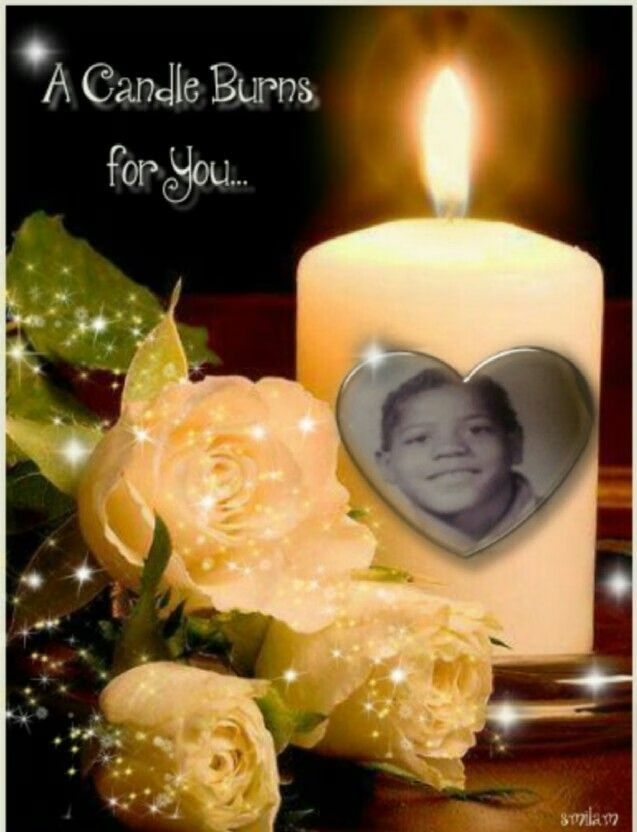
Loss is an inevitable part of life, yet the pain of grief can feel isolating and overwhelming. Traditional healing traditions across cultures have long used grief healing ceremonies—rituals designed to honour the departed, express emotions, and guide the mourner toward renewal. As a compassionate healer, I, Dokita Mukisa, invite you to explore these sacred practices that blend prayer, symbolic offerings, and communal support to transform grief into gentle healing.
Understanding the Power of Ritual in Grief
Grief disrupts our emotional equilibrium, often manifesting as deep sadness, anger, or numbness. Left unaddressed, these feelings can stagnate and impact mental and physical health. Rituals provide structure for mourning, offering:
- Acknowledgment of Loss: A formal space to name and feel pain.
- Emotional Release: Safe avenues for tears, catharsis, and remembrance.
- Symbolic Transition: Actions that represent letting go while preserving memory.
- Community Connection: Joining with others in shared compassion and support.
By engaging in grief ceremonies, you move through mourning with sacred intention rather than in isolation.
Core Elements of Grief Healing Ceremonies
While each tradition has unique forms, most grief rituals include:
- Honoring the Deceased: Placing photographs, personal items, or favorite objects on an altar.
- Lighting Candles: Symbolizing the enduring spirit and guiding light.
- Offering Flowers or Food: Acts of love and remembrance.
- Spoken Prayers or Poetry: Words that articulate grief and hope.
- Community Gathering: Shared presence to hold space for one another.
These components work cohesively to create a container for mourning and healing.
Preparing for Your Personal Grief Ceremony
Whether private or communal, thoughtful preparation deepens the experience:
- Set Intention: Clarify your purpose—honouring memory, releasing pain, or seeking comfort.
- Select a Sacred Space: A quiet room, a garden, or a special outdoor spot.
- Gather Items: Photo of the loved one, candles, flowers, personal mementos, incense or smudge.
- Invite Supporters: Close friends, family, or a small community circle.
- Create Quiet: Limit distractions, turn off devices, and allow undisturbed time.
This preparation honors both the process and the person you lost.
Step-by-Step Grief Healing Ceremony
Below is a versatile ceremony you can adapt to your needs:
1. Opening Invocation
Begin by lighting a large candle. Invite participants to speak the deceased’s name aloud. Say:
“We gather in love to honour [Name], whose memory guides and inspires us.”
2. Remembrance Offering
Place flowers or a favourite treat of the departed on the altar. Each person may add a personal token, sharing briefly why it matters.
3. Shared Storytelling
Encourage attendees to recount cherished memories—funny moments, lessons learned, or kind gestures. Storytelling weaves connection and eases isolation.
4. Guided Mourning
Play soft, contemplative music. Offer gentle prompts: “If you feel ready, speak a farewell, a thank you, or a hope for the future.” Tears and silence are equally respected.
5. Symbolic Release
Write a message—grief, forgiveness, or gratitude—on a piece of paper. Burn it safely in a fireproof bowl, visualizing emotional release and transformation.
6. Closing Blessing
Circle hands and recite a unifying blessing:
“May grief be carried gently, may memories comfort our hearts, and may hope guide our tomorrow.”
Blow out the candle together, symbolizing the cycle of loss and renewal.
Variations and Cultural Adaptations
Across cultures, grief ceremonies take diverse forms:
- Day of the Dead (Mexico): Colourful altars (ofrendas), marigolds, and favourite foods.
- Tibetan Sky Burial Tradition: Returning the body to nature and observing impermanence.
- Jewish Shiva Gatherings: Seven-day house mourning with prayer and communal meals.
- West African Libation Ceremonies: Pouring libation to ancestors while invoking lineage blessings.
Respectfully adapting elements from your heritage or affinity traditions can deepen resonance.
Supporting Yourself After the Ceremony
Healing continues beyond rituals. Integrate these practices:
- Journaling: Write letters to your loved one expressing ongoing thoughts.
- Nature Walks: Seek solace and reflection in natural settings.
- Memory Keepsakes: Create photo books or memory boxes.
- Mindful Breathing: Use breathwork to ease sudden surges of grief.
Gentle, regular support sustains long-term healing.
When to Seek Additional Support
If grief feels overwhelming or prolonged, consider professional help:
- Counseling or Therapy: Licensed therapists can guide complicated bereavement.
- Support Groups: Connecting with others who share similar losses.
- Advanced Healing Sessions: Reiki or energy clearing to address lingering energetic pain.
Combining communal rituals with professional support ensures comprehensive care.
Why Choose Dokita Mukisa for Grief Support
With deep empathy and extensive training in spiritual care, I offer:
- Personalized Ceremonies: Tailored rituals honouring your unique relationship.
- Community Facilitation: Guided group gatherings that hold space for shared healing.
- Energetic Clearing: Sessions to clear residual pain and restore equilibrium.
Clients often report profound release, renewed connection to loved ones, and gentle comfort.
Book Your Grief Healing Ceremony
Let sacred ritual guide you from sorrow to solace:
- Consultation Fee: R450 or $45
- Call/WhatsApp: +27 774 892 957
- Email: dokitamukisa@gmail.com
- Website: sacredtraditionalhealingspells.co.za
Honour the past, heal the present, and embrace hope for tomorrow.