It was a quiet evening in my village when I first felt the pull of my ancestors. I was just a boy, sitting by the fire as my grandmother shared stories of our family line—the warriors who protected our land, the healers who mended broken spirits. She’d light imphepho, the sacred African sage, and whisper names long gone, inviting their presence. That night, I felt a warmth wrap around me, like invisible arms offering comfort. Little did I know, this was my introduction to ancestral connection rituals—a practice that has shaped my life and work as a spiritual healer. Over the years, I’ve helped countless people rediscover this bond, finding peace, guidance, and strength in their roots. If you’ve ever felt lost or drawn to your family history, these rituals might be calling you too.
As Dokita Mukisa, I’ve spent over 15 years guiding people through spiritual journeys, and ancestral connection rituals are at the heart of many transformations. They’re not just old customs; they’re living bridges to wisdom that can heal modern wounds. In this post, we’ll unpack what these rituals mean, their purpose in our lives, and when you might need them most. We’ll also walk through a unique ritual you can try, share stories from my practice, and touch on ethics to keep things grounded. Let’s explore this together, like uncovering a family treasure.
The Meaning of Ancestral Connection Rituals
Ancestral connection rituals are spiritual practices that honor and communicate with your forebears—the people who came before you. At their core, they recognize that death doesn’t sever family ties; instead, ancestors become guardians, offering insights from the spirit world. In many cultures, these rituals involve offerings, prayers, or meditations to invite their presence, creating a dialogue between the living and the departed.
Historical Roots and Cultural Significance
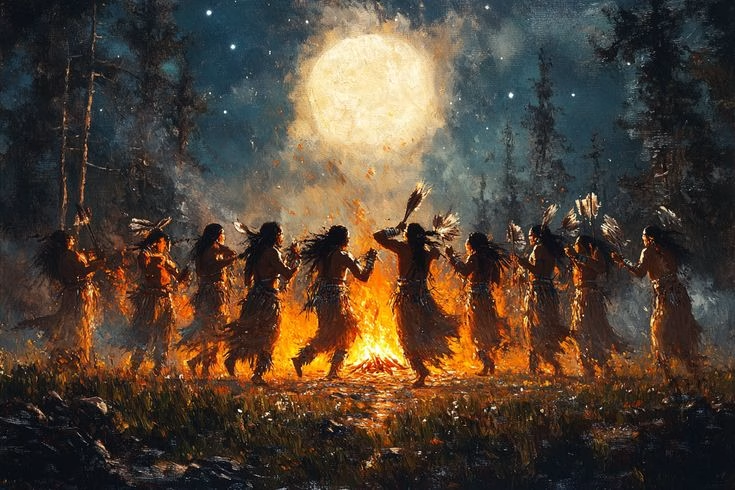
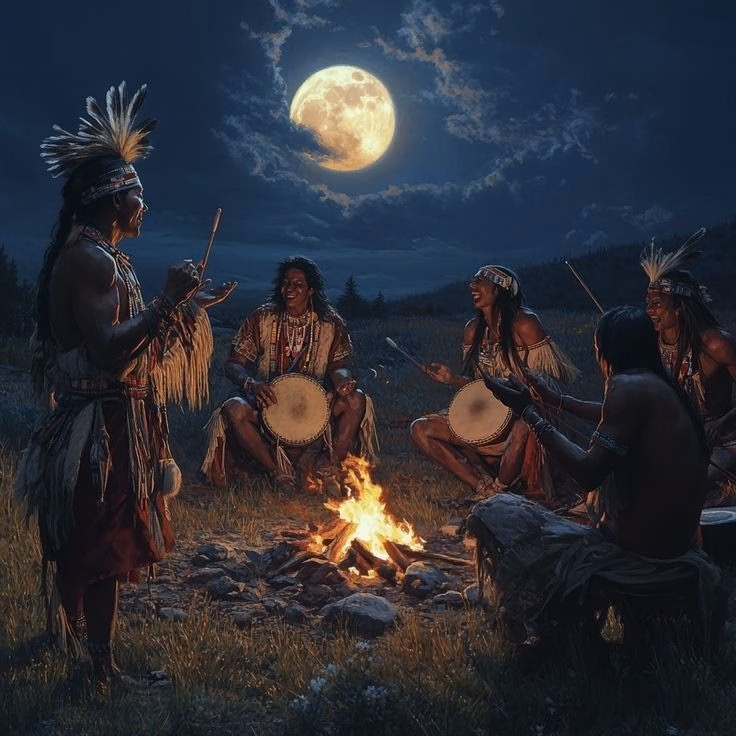
These rituals date back thousands of years, woven into the fabric of human societies. In African traditions like mine, ancestors are revered as elders who watch over the family, influencing health, fortune, and harmony. Similar practices exist worldwide: In Mexico’s Día de los Muertos, families build altars with photos and food to welcome spirits. Native American tribes use smudging and storytelling to connect with elders. Asian cultures, like in China’s Qingming Festival, sweep tombs and offer food to honor the dead.
The meaning lies in continuity—acknowledging that your life is part of a larger story. By connecting, you tap into collective wisdom, healing generational wounds and drawing strength from your lineage. In my experience, people who ignore this connection often feel unmoored, like a tree without roots.
Modern Interpretations
Today, ancestral rituals blend tradition with contemporary needs. Some use DNA tests to trace roots, then incorporate rituals from those cultures. Others adapt them for urban life, like setting up a small home altar. The essence remains: it’s about respect, remembrance, and receiving guidance in a world that often feels disconnected.
The Purpose of Ancestral Connection Rituals
Why bother connecting with people long gone? The purpose is multifaceted, serving emotional, spiritual, and practical needs. These rituals help heal the past, navigate the present, and shape the future.
Healing Generational Trauma
Many of us carry invisible burdens from our family history—poverty, loss, or conflict that echoes through generations. Ancestral rituals allow you to address these, asking for forgiveness or release. In my practice, clients often discover patterns like repeated failed relationships trace back to an ancestor’s unresolved grief. By honoring them, you break the cycle, finding personal peace.
Seeking Guidance and Protection
Ancestors act as guides, offering wisdom for life’s crossroads. Whether deciding on a career move or mending a friendship, their perspective—from beyond time—can clarify paths. They also provide protection, shielding from negative energies. A 2023 study in Spirituality & Health journal linked ancestral veneration to lower anxiety levels, as it fosters a sense of support.
Honoring Legacy and Building Identity
These rituals remind us we’re part of something bigger, strengthening cultural identity. In a globalized world, reconnecting with roots combats loneliness. For immigrants or those far from home, like many of my clients, it’s a way to feel grounded.
When Are Ancestral Connection Rituals Needed?
You don’t need a crisis to connect with ancestors, but certain times call for it more urgently. Listen to your intuition—if you feel drawn, that’s a sign.
Signs in Daily Life
Feeling stuck or repeating patterns? Unexplained anxiety, dreams of deceased relatives, or sudden family memories might indicate ancestors reaching out. Physical signs like recurring illnesses or financial blocks can also point to generational issues needing attention.
During Times of Transition or Crisis
Major life changes—marriage, birth, death, or career shifts—are ideal for rituals, as they’re moments when guidance is most valuable. In crises like illness or loss, connecting brings comfort. After my father passed, I performed a ritual to honor him; it brought peace amid grief.
For Cultural Reconnection
If you feel disconnected from your heritage, these rituals rebuild that link. For adopted individuals or those with lost family history, they offer a way to honor unknown ancestors, fostering belonging.
A Unique Ritual: The Ancestor’s Guidance Fire
This ritual, passed down in my family, uses fire to symbolize the eternal spirit. It’s called the Ancestor’s Guidance Fire, perfect for seeking clarity.
What You’ll Need
- A small fire-safe bowl
- Dried imphepho or sage (for cleansing)
- Family photo or item
- Paper and pen
- A quiet outdoor spot at dusk
Steps to Perform the Ritual
- Light the imphepho in the bowl to create smoke.
- Place the family item near the bowl.
- Write your question or need on paper—e.g., “Ancestors, guide my career path.”
- Burn the paper in the smoke, saying, “Ancestors, I honor you; share your wisdom.”
- Sit quietly, watching the smoke rise, open to thoughts or feelings.
- Thank them, scatter the ashes.
Perform monthly for ongoing connection. Feel free to adapt with your cultural elements.
Benefits of Ancestral Connection Rituals
The rewards are profound:
- Emotional Healing: Release grief, find closure.
- Spiritual Strength: Feel supported, reducing loneliness.
- Practical Guidance: Insights for decisions.
- Cultural Pride: Deepen identity and heritage.
- Overall Well-Being: Lower stress, better sleep, as per studies on spiritual practices.
Clients often say they feel “complete” after connecting.
Ethical Considerations in Ancestral Rituals
Respect is key. Honor all ancestors, even difficult ones, to heal patterns. Avoid demanding—ask humbly. If from another culture, learn respectfully to avoid appropriation. Combine with professional help for serious issues. Practice with pure intent.
Inspiring Stories: Real Transformations Through Ancestral Connection
Over the years, stories like Naledi’s inspire me. She felt haunted by family misfortunes—lost jobs, broken relationships. Through an ancestral ritual, she connected with her great-aunt, a resilient woman, and broke the pattern. Today, she’s thriving in business. Or Kwame, who dreamed of his grandfather after a ritual, guiding him to a new home. These aren’t coincidences—they’re the power of connection.
Final Thoughts
Ancestral connection rituals offer meaning by honoring roots, purpose by providing guidance, and are needed when life feels off-track. They’re a timeless way to feel supported in a disconnected world. If this resonates, start small—light a candle, speak their names. Your ancestors are listening.
As Dokita Mukisa, I’m here to help you connect. Contact me for a personalized ritual or consultation to unlock your ancestral wisdom.
Contact Me
- Phone: +27774892957
- Email: dokitamukisa@gmail.com
- Website: sacredtraditionalhealingspells.co.za
Let’s honor your ancestors and find your path together!